
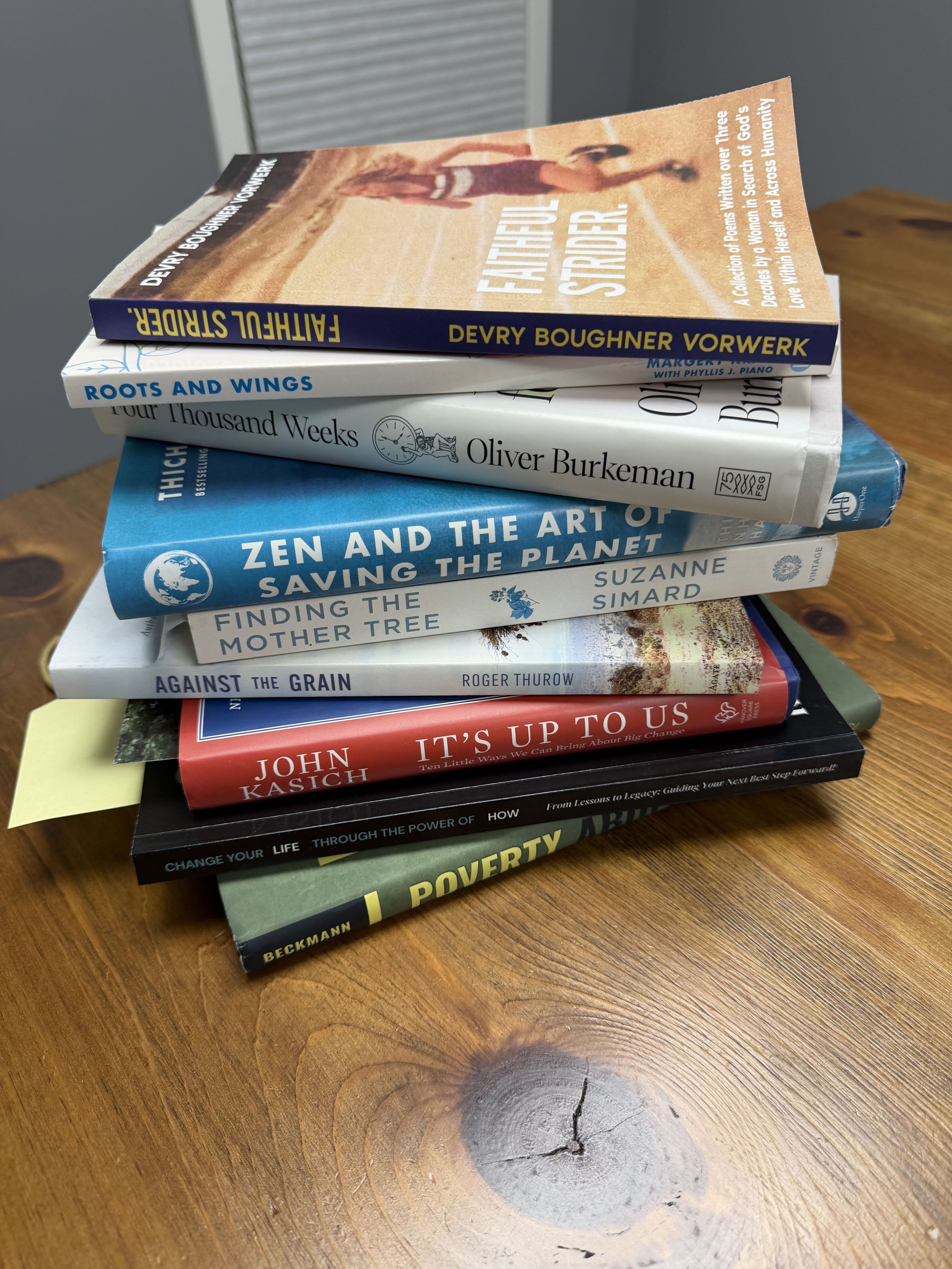
It may be too early to talk about the holiday season, but it is approaching quickly. Books are always great stocking stuffers. So many new ones are circulating. I’ve intended to write book reviews regularly for my readers, but I haven't gotten to all the reviews I planned this year. Work, family, and life have filled my days, along with writing my own book. So rather than keep these recommendations waiting, I am opening my bookshelf and sharing 12 of my favorite books with you. Some are new, and others are a few years old. I give a brief review and links to purchase the book. Pick one up for yourself and a friend. Let’s make reading cool again.
Writing my own book this year taught me a great deal, including how much time it takes to put into words what you believe is worth sharing. It also taught me something more humbling: just because you write a book does not mean anyone will read it.
I have come to believe that readership alone is not the measure of whether the written work matters. There is value in the book writing itself and in working through your thoughts, ideas, research, views, and opinions, and then putting them out into the universe. There is also an extraordinary sense of vulnerability in putting your book on offer for the public to scrutinize. An author makes themself visible, opening their thinking to scrutiny, and accepting they cannot control how it will be received. As former Governor John Kasich quotes Eleanor Roosevelt in chapter three of his book, It’s Up to Us, “Do what you feel in your heart to be right, for you’ll be criticized anyway.”
Writing and publishing a book can be walking a lonely road. There is no guarantee anyone will read it. But one person might. And something in those pages may change that person’s perspective, the course of their life, or what they make possible for someone else. We may never know.
With that in mind, I am sharing a personal tour of my bookshelf, books I believe make significant contributions to this moment in history. Their authors have put something into the world that deserves our attention. Across leadership, stewardship, faith, and the choices we make with our time, these are voices, lessons, stories, and advice I want to put into your hands and you can gift into other’s.
A book of my own.
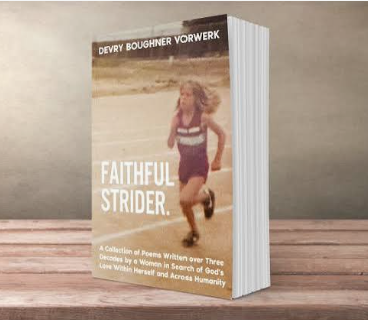
Published this year, Faithful Strider. brings together poems written over three decades in search of God’s love within myself and across humanity.
Through Eight Touchstones, the collection invites readers to observe the world through poetry, finding lessons in nature, faith, and human relationships that inform our lives and leadership. Chapters exploring moral sentiments and loving thy neighbor raise questions relevant to anyone entrusted with responsibility: How do we recognize the humanity in others? What do we owe one another? And how do we carry those convictions into our decisions?
The poems offer space for the inward reflection that helps align the leader the world sees with the person we understand ourselves to be. My hope is that readers find companionship and perspective for their own journeys, in family, business, community, and the natural world we share.
Leadership begins with the person.
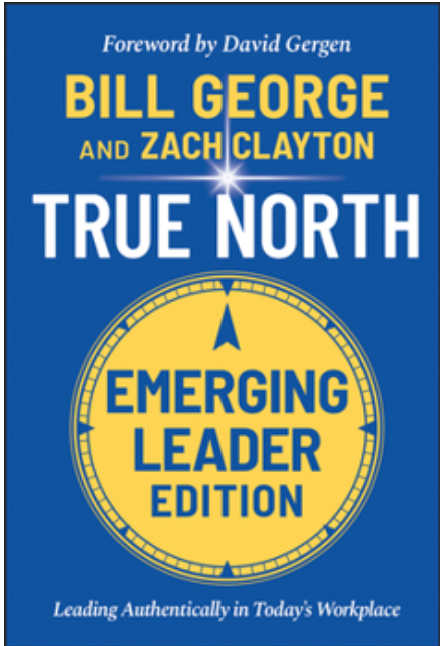
Bill George’s work invites us to examine the values, experiences, and sense of purpose that guide our leadership. Written with Zach Clayton, this edition brings that inquiry to emerging leaders navigating a complicated world.
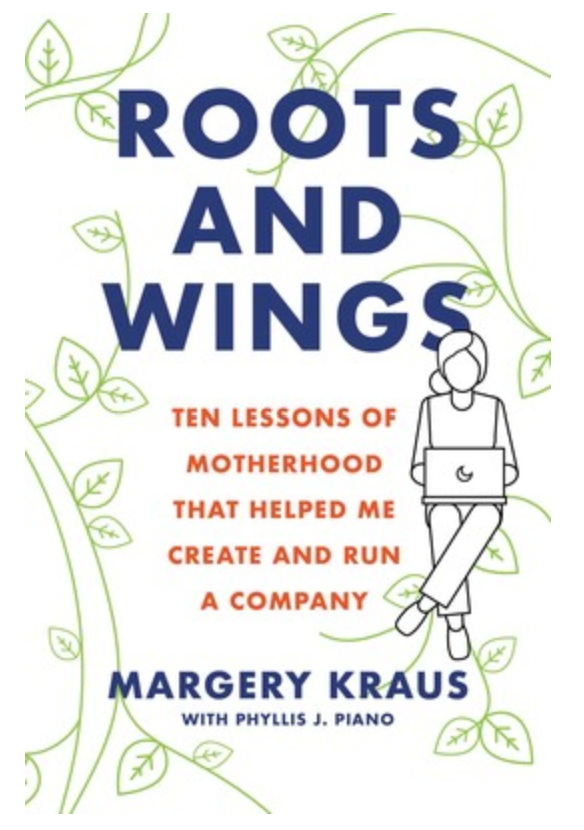
The subtitle says much about why this book belongs here: Ten Lessons of Motherhood that Helped Me Create and Run a Company. Kraus, who founded APCO Worldwide, connects the lessons of raising a family with building a business. It opens an important conversation about the judgment, patience, and courage we develop across our lives—and bring into our leadership. I’ve experienced first-hand Margery’s leadership style and have relied on her wisdom and advice in two of my leadership roles. All ten lessons she writes about may seem simple, but together they show that Margery is a remarkable leader and has led a courageous, impact-filled life.
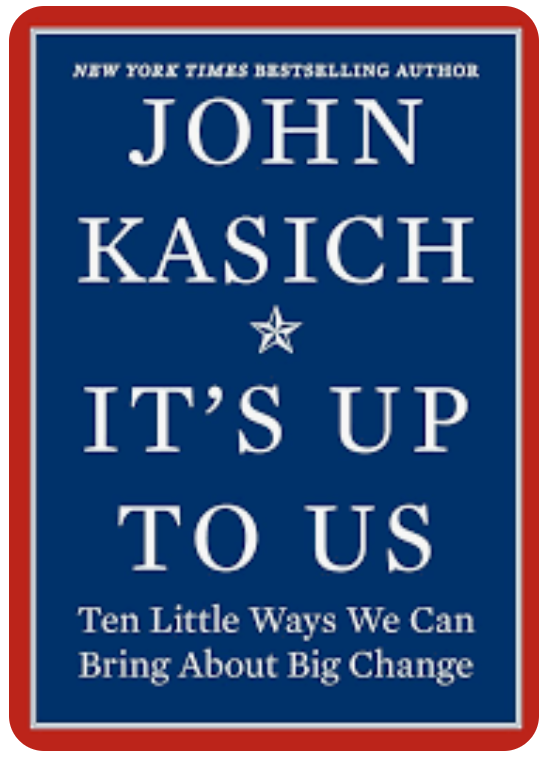
I met John Kasich during COVID when he called me about a nonprofit fundraiser. I was instantly impressed. He truly is a leader of action based on faith. I bought this book right after I met him, and it offers a treasure trove of advice for anyone who wants to be part of positive change in the community and the world. The subtitle, Ten Little Ways We Can Bring About Big Change, offers an accessible starting point for anyone wondering whether individual action matters. It matters! Kasich explores ways people can contribute through choices within their reach. I see a useful question for all of us: What could we start doing now—wherever we are—to positively impact a situation in our home, workplace, community, country, or world?
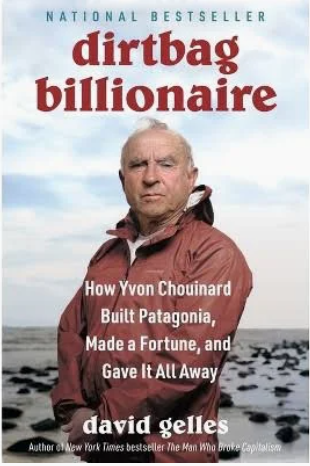
Our company hosted David Gelles at our Stewardverse Business Summit on April 22nd. He kicked off the day sharing a personal account of writing his book. Gelles tells the story of Yvon Chouinard and Patagonia, examining how a founder’s convictions shaped a company and its choices. For readers interested in business purpose, this book offers a concrete story to consider: what happens when commitments to people and the nature influence how a business operates and what it does with its success? The book is a page-turner, and it’s worth reading for key leadership lessons. I have a few extra copies left over from our Summit if you want one; message me.
Caring for the systems that sustain us.
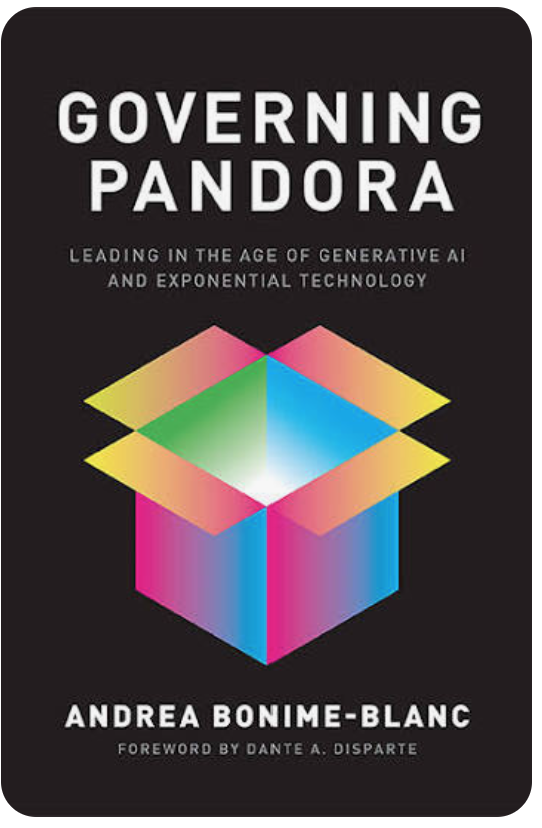
I met Andrea on a webinar during COVID when she and I were positioned to speak about ESG trends across Latin America. Andrea has been a songbird for adding T (technology) to the ESG risk-framing companies carry on their balance sheets. I read her book Gloom to Boom, which explores ways leaders can turn risk into resilience and value. Her latest book, Governing Pandora, brings responsible governance into the world of generative AI and other rapidly advancing technologies. Together, they invite leaders to think about the opportunities they pursue, the risks they carry, and the judgment required to govern both.
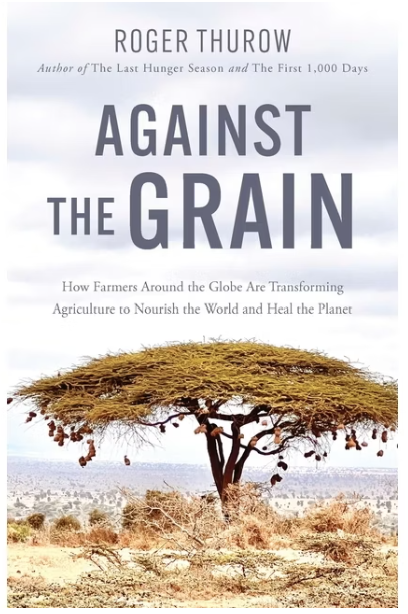
Thurow shares stories of farmers shifting from industrial to regenerative practices to nourish their communities while caring for the land. Food security, livelihoods, and the health of our natural resources are deeply connected. His book brings those connections into view through the people doing the work, which is a valuable perspective for conversations about agriculture’s future. I leave encouraged that humanity can scale whatever we prioritize. If we collectively prioritize natural systems and work with and within them, we can shift agricultural production toward nature-positive outcomes.
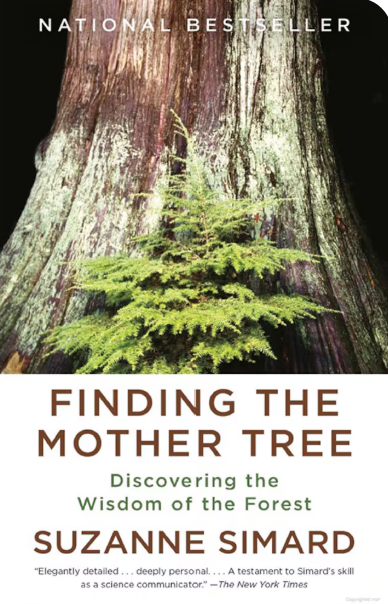
This book is an absolute must-read for anyone who wants to get better at thinking and acting in systems. The subtitle, Discovering the Wisdom of the Forest, captures exactly what the reader learns as they delve into Simard’s personal story and history with the forest. Simard combines her personal story with her research into relationships within forests. Its exploration of interdependence offers a compelling entry into questions of stewardship. For me, it also suggests a question worth carrying into other settings: How well do we understand and respect the relationships that allow a whole system to thrive?
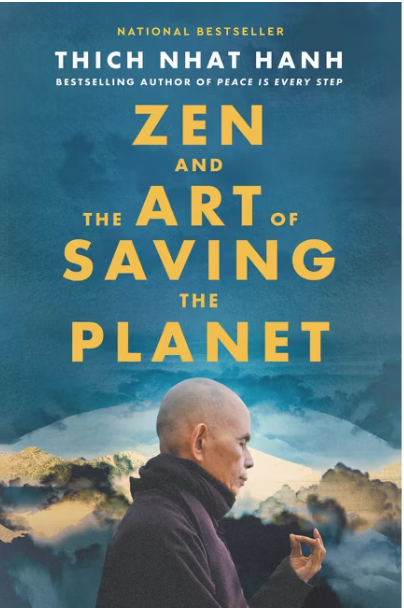
Tich Naht Hanh passed a few years back, and before continued on his journey, he published this book, marking a significant stake in the ground for humans, and especially leaders, to be seek mindfulness through deep relationship with Mother Earth. I have read Hanh’s books since I was a child. I admire his poetry and his life’s work. Peace Is Every Step is a staple in my library. You should read that one, too. Through teachings, stories, and reflections on activism, this current book connects our inner lives with our care for the Earth. It brings mindfulness and compassion into the environmental conversation, making space to consider how we sustain our capacity to act while facing difficult realities of nature’s destruction.
Faith, hope, and the time we have.
This collection of essays brings together women’s experiences and practical perspectives on moving forward. I want to draw particular attention to the section on Change and Chapter 4 on Faith, written by my friend, Tricia Goede. The essays cover subjects that belong in conversations about our personal and professional lives: facing uncertainty and doubt, finding direction when options seem limited, digging deep when life gets really heavy, and taking the next step when not all the facts are on the table. This book tells a lot of truth. It’s like a guide for developing deeper insights and wisdom from the powerful women in our midst.
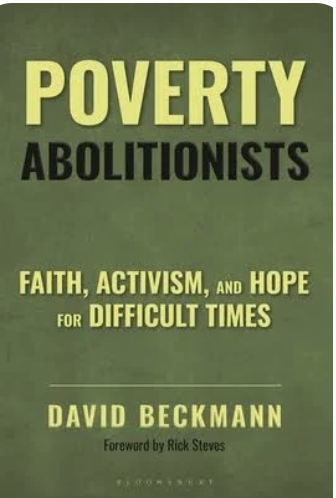
David is a World Food Prize Laureate, former World Bank Economist, Evangelical Lutheran Pastor, founder of the Alliance to End Hunger, and my personal mentor. Drawing on his years leading Bread for the World, Reverend Beckmann shares that faith and practical action can help restore progress against poverty. David is the first person I met who helped me understand the need for companies to engage in poverty and hunger policies beyond philanthropy. He helped me develop food security policy strategies while I was in corporate roles. My current book recommendation also comes with an invitation: I am hosting David for a Coffee in The Stewardverse on November 19 to discuss his book. I look forward to exploring its lessons with him and hope you will join us.
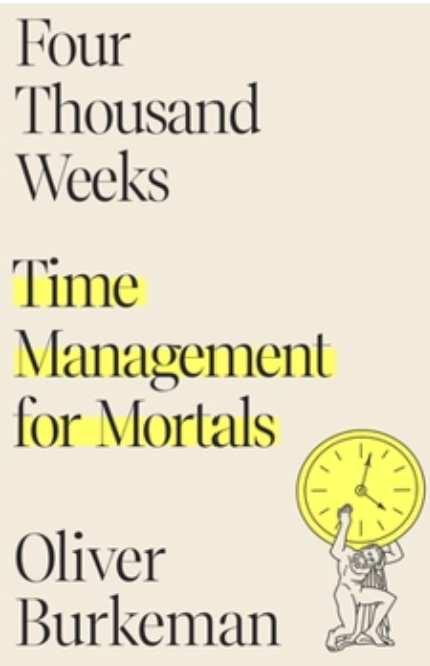
My good friend and advisor at Stewardverse Strategies, Michael Wright, gave me this book a few years ago. Burkeman really tips the notion of saving time on its head. He examines our relationship with time and the limits we so often struggle to accept. It is a fitting book to close my bookshelf tour: with so many worthwhile demands on our attention, choosing what matters is an ongoing responsibility. That includes making room to read, reflect, listen, write poetry, and ponder whether we are putting ourselves to the first-best use with the time we have left.